
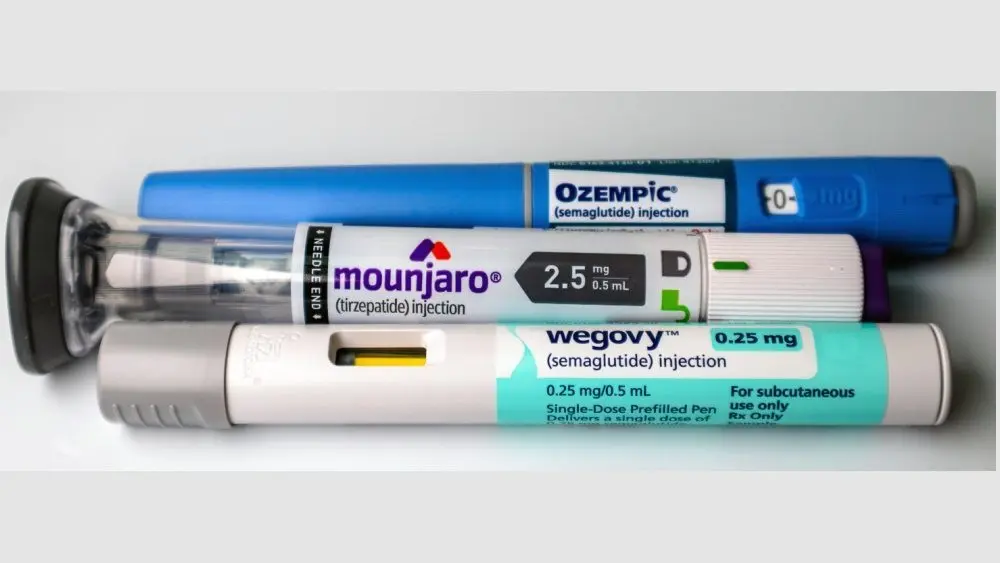
The World Health Organization on Monday issued its first comprehensive recommendations on using GLP-1 medications to treat obesity, signaling a major shift in how the condition is addressed globally.
The guidance — published in JAMA — supports long-term use of drugs such as semaglutide, liraglutide and tirzepatide in adults when clinically appropriate, while stressing that medication must be paired with sustained lifestyle support.
More than 1 billion people around the world are currently living with obesity — a figure projected to double by the end of the decade. WHO estimates the condition contributed to 3.7 million deaths last year. The organization recently added GLP-1 drugs to its Essential Medicines List for high-risk type 2 diabetes patients but had not previously endorsed them for obesity alone.
WHO leaders emphasized that obesity is a chronic disease requiring ongoing care, not a short-term intervention. WHO Director-General Dr. Tedros Adhanom Ghebreyesus said that “our new guidance recognizes that obesity is a chronic disease that can be treated with comprehensive and lifelong care,” noting that “while medication alone won’t solve this global health crisis, GLP-1 therapies can help millions overcome obesity and reduce its associated harms.”
The organization issued two conditional recommendations: prolonged use of GLP-1 therapies — except during pregnancy — and a requirement that treatment be paired with intensive behavioral support, including structured eating plans, physical activity and counseling. Officials described these drugs as “more than a scientific breakthrough,” writing that “They represent a new chapter in the gradual conceptual shift in how society approaches obesity—from a ‘lifestyle condition’ to a complex, preventable, and treatable chronic disease.”
Experts say the medications can help people more easily follow dietary guidance by reducing hunger and making food feel less compelling. Dr. Louis Aronne of Weill Cornell Medicine said, “Medicines work best when they go hand in hand with changes in eating habits and daily behaviors,” adding that reduced hunger often enables patients to follow steps they previously struggled to maintain. He also stressed the need for resistance training to limit muscle loss during rapid weight reduction.
The WHO noted ongoing challenges that may limit access, including steep prices, supply shortages and wide disparities in availability. The agency urged governments to create fair distribution systems focused on those with the most urgent medical need and called for “urgent action on manufacturing, affordability, and system readiness to meet global needs.” Even with production increases, WHO estimates that GLP-1 therapies will reach fewer than 10% of eligible patients by 2030.
The new recommendations, crafted by a panel of specialists in obesity care, pharmacology and public health, follow regulatory approvals in multiple countries, including the U.S. The guidelines encourage nations to “reboot” national obesity strategies by expanding prevention programs, strengthening treatment infrastructure and improving long-term care capacity.
WHO officials emphasized that while GLP-1 drugs can be effective, “medication alone cannot solve the global obesity burden.” They called for more long-term research on safety and outcomes, alongside efforts to reduce the cost of leading treatments such as Wegovy, Zepbound, Ozempic and Mounjaro — many of which currently exceed $1,000 a month in the U.S.
Editorial credit: KK Stock / Shutterstock.com